Why is healthcare reputation management important for doctors?
Public feedback can help people understand a clinic’s service and decide what questions to ask. A consistent monitoring and response process helps your team address issues professionally. We request honest feedback without promising five-star reviews or increased appointments.
How do you request honest patient reviews?
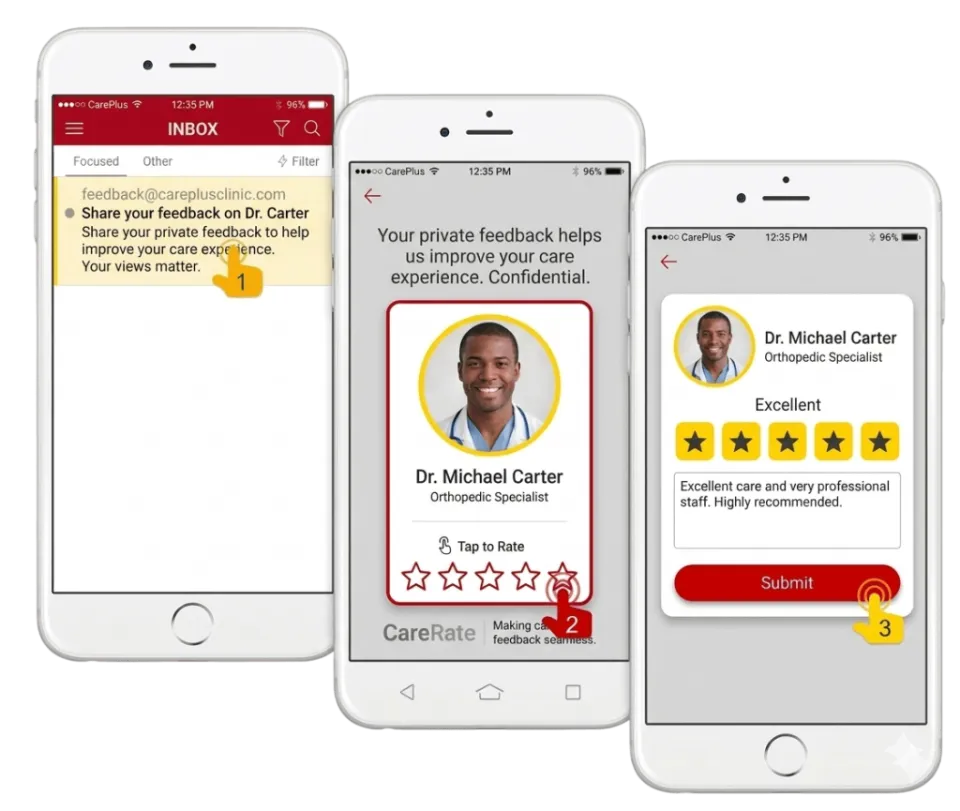
We prepare neutral SMS and email requests through an agreed workflow. Requests are not restricted to patients expected to leave a positive review, and we do not use incentives or review gating. Any automation is assessed for permissions, privacy and compatibility before use.
What happens if a doctor gets a negative review?
We flag feedback needing attention and prepare a professional reply for approval. The response must not confirm the person is a patient or discuss clinical details. It can invite private contact with the clinic. Reviews that appear to breach platform rules can be reported, but removal is not guaranteed.
How do you protect patient privacy?
We draft replies that do not confirm a reviewer is a patient or disclose any clinical information. Before using patient contact data or integrations, we assess the proposed workflow, applicable privacy requirements and provider arrangements. HIPAA may apply to relevant US workflows; other markets have their own requirements. We do not claim blanket compliance.
Which review platforms can you support?
Google is a starting point. We agree other relevant platforms for your clinic and market. UK options may include Doctify, iWantGreatCare, Trustpilot, Treatwell or the NHS website where appropriate. Availability, eligibility and platform rules guide the choice.
What does the free audit include?
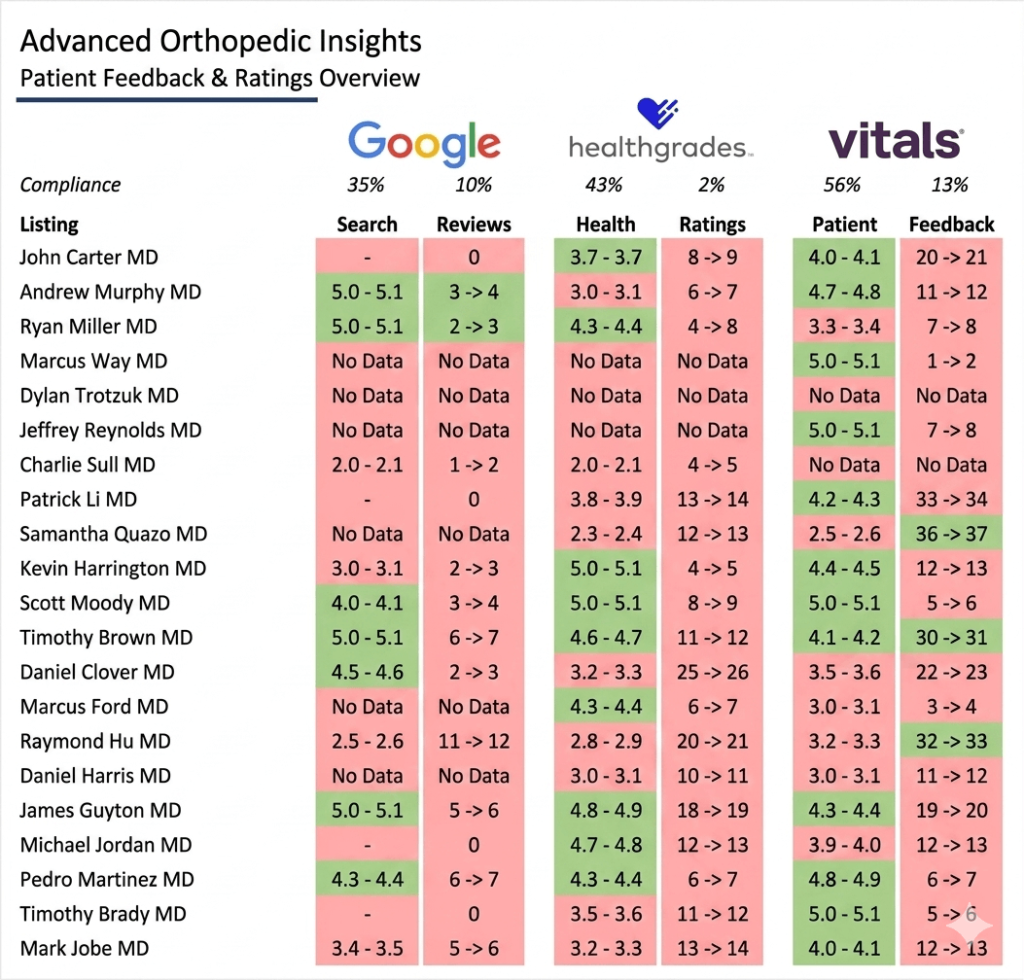
We compare your rating and review count with three relevant local competitors, identify Google profile gaps and unanswered reviews, and give you a three-point action plan. Share your name, clinic, town or city and email; no patient or clinical information is needed.